1426Founded, Bruges
9Chairmen, one name
4Continents entered without invitation
1Independent historical commission (report under review)
0Admissions of liability

DomiCorp was founded in Bruges in 1426. In the six hundred years since, the Group has been present at nearly every significant moment in the development of the modern world economy. We are proud of this record. Where the record is complicated, we have contextualised it.
DomiCorp believes that a company's history should be faced honestly. We have therefore commissioned it.
In 1998 the Board appointed an independent historical commission, chaired by the Chairman, to examine the Group's activities from 1426 to the present. Its 2,400-page report was received by the Board in 2003. The Board has committed to publishing a summary of the report once its review is complete. The review is ongoing.
The Group archive in Antwerp is open to accredited researchers by written application. Applications are reviewed within ninety years.
 The Chairman, 1426. Colourised. Released by the Office of the Chairman.
Selected milestones. The full chronology runs to eleven volumes and is available to qualified institutional investors on request.
A merchant known to the records only as Dominicus establishes a trading house in Bruges, dealing in wool, pepper and credit. The house adopts the motto Vita Melior. A better life. It has not been revised since.
Within a decade the house holds debts of three crowned heads of Europe, and by 1453 its ships are calling at the Guinea coast, trading in commodities described in the ledgers as "various".
 The original counting house. Reconstruction, from memory.
Chartered by royal warrant, the Company acquires plantations in the Caribbean, the Indian Ocean and Bengal, producing sugar, tobacco, indigo and pepper for European markets. At its height it maintains a private army of 11,000 and a private navy of 60 vessels, which it describes as "logistics".
The Company's Atlantic operations during this period involved the forced transportation of an estimated 340,000 people. The Group acknowledges this. A statement to that effect was approved by the Board in 2007 and is available on request.
 The known world, as allocated.
The Company becomes a leading supplier of Bengal opium to the Chinese market, in defiance of the Qing prohibition, and subsequently a leading supplier to the naval expedition dispatched to enforce continued access to that market. The Company describes this as a full-service approach to customer relationships.
Following the Treaty of Nanking the Company establishes offices in Hong Kong and Shanghai, several of which remain in use.
 The South China Sea. Open for business.
Domi Rail lays 14,000 kilometres of track across three continents, much of it by workers recruited under arrangements the Group no longer uses. The Group enters coal in the Ruhr and Silesia, steel in Lorraine, and in 1891 secures a rubber concession of 90,000 square kilometres in the Congo Free State.
The Group withdrew from the Congo in 1908 following changes in market conditions and the publication of photographs.
 Domi Rail, Highland Division, 1897.
Domi-Werke AG supplies chemical products, explosives and barbed wire to belligerents on both sides of the conflict, reflecting the Group's long-standing commitment to customer neutrality. Group revenue triples. In 1919 the Group is awarded contracts for reconstruction.
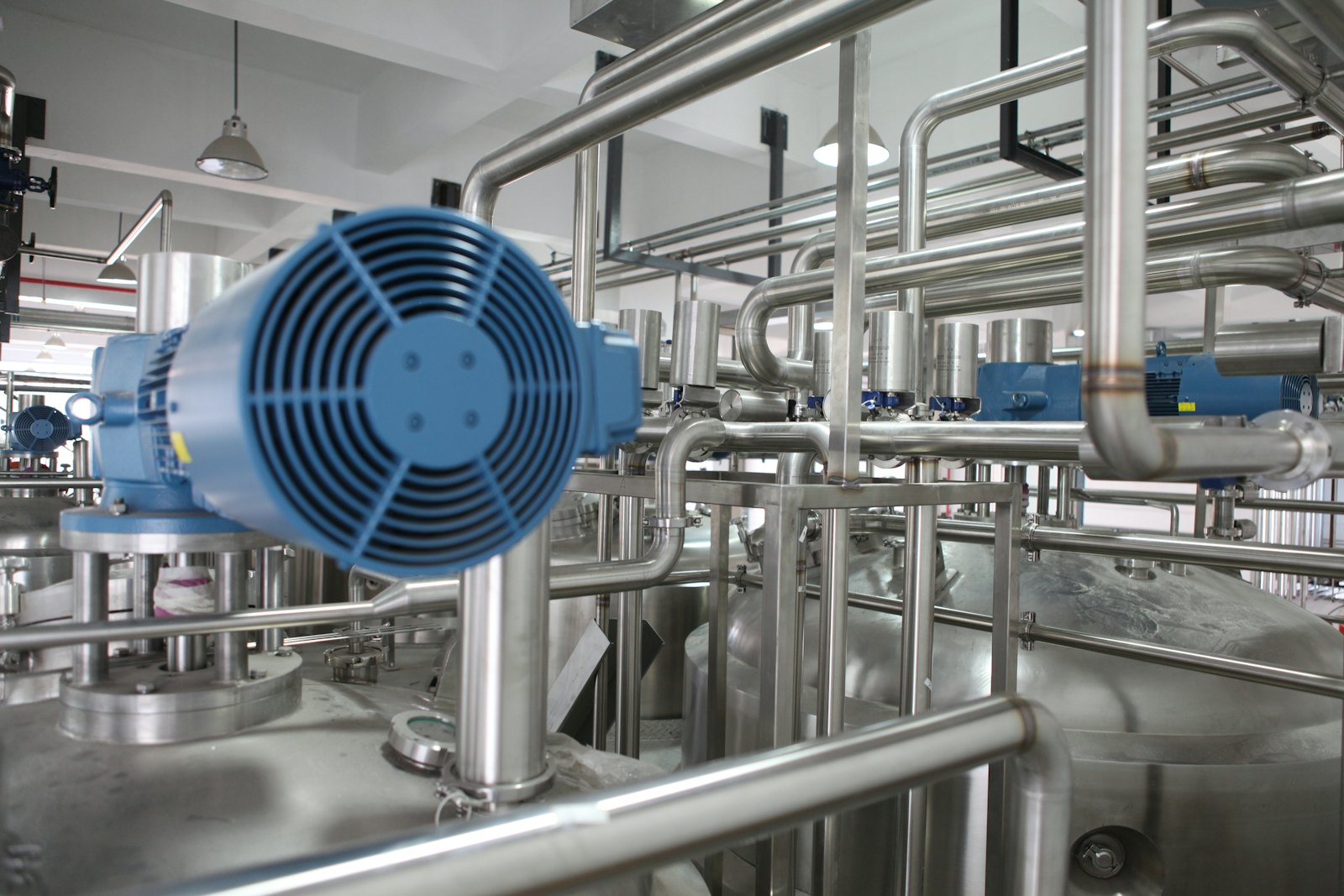 Domi-Werke, Ludwigshafen. Capacity expanded 1915.
Domi-Werke AG and Domi Reichstransport GmbH operate in Germany throughout the period. Between 1942 and 1944 the transport subsidiary provides rail freight services to the German state under contract, including scheduled services to the East whose nature the Group's management at the time chose not to inquire into. The chemical subsidiary made use of forced labour at four facilities.
From 1943, once the outcome of the conflict had become clear, the Group also supplied the Allied war effort. In 2001, following litigation, the Group contributed to an international compensation fund without admission of liability. The Board regards the matter as closed. The historical commission's findings on this period remain under review.
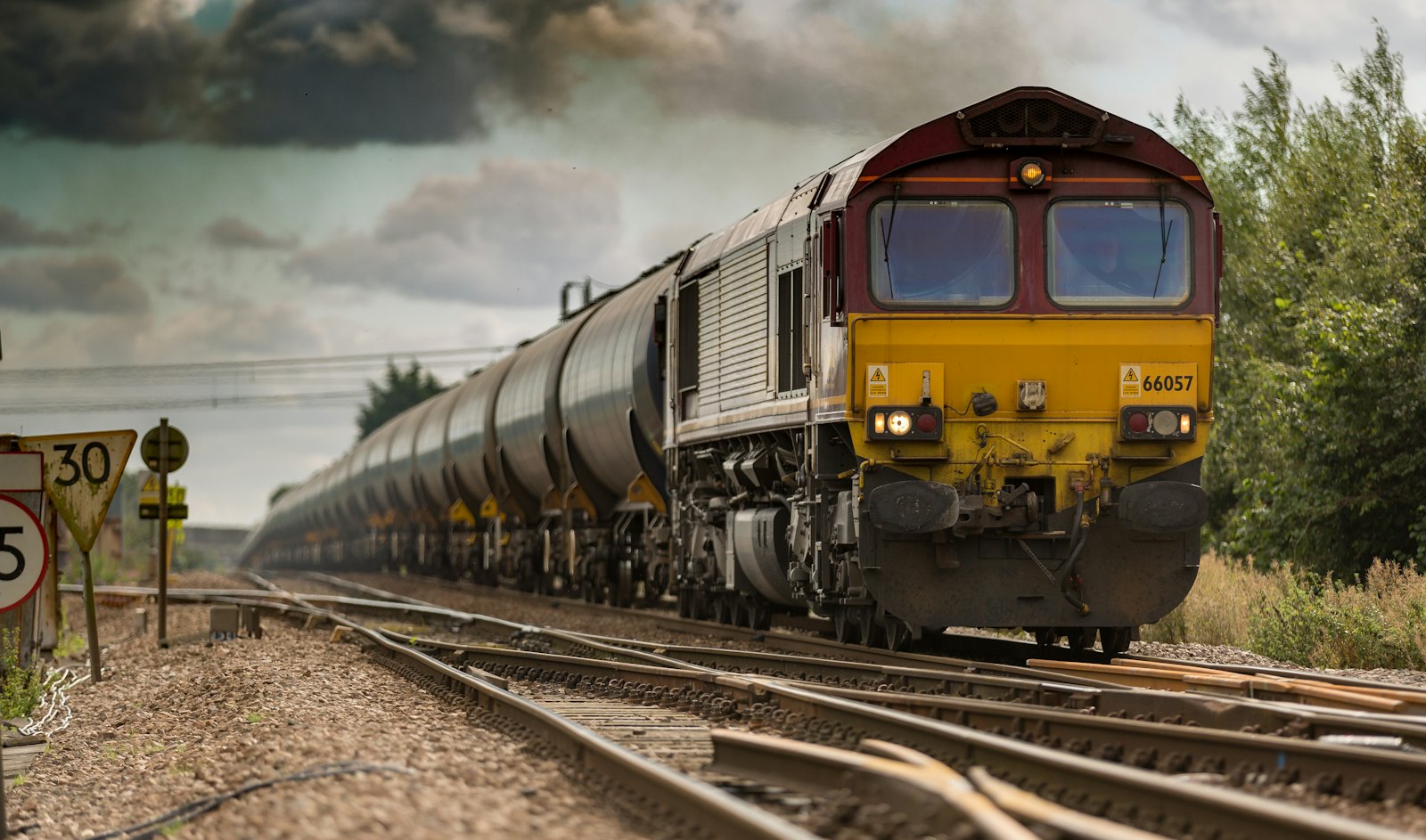 Rail freight. Archive image, undated.
As colonies became states, the Company transferred its assets to the new governments, and in several cases transferred the governments. The Domi Fruit Company, established in 1899, facilitates governmental transitions in Central America in 1954 and 1963, and mining subsidiaries secure long-term concessions in the Congo, Chile and Indonesia on terms the Group considers fair, having drafted them.
The Group continued operations in South Africa throughout the apartheid period in the interests of its employees there, whom it did not consult.
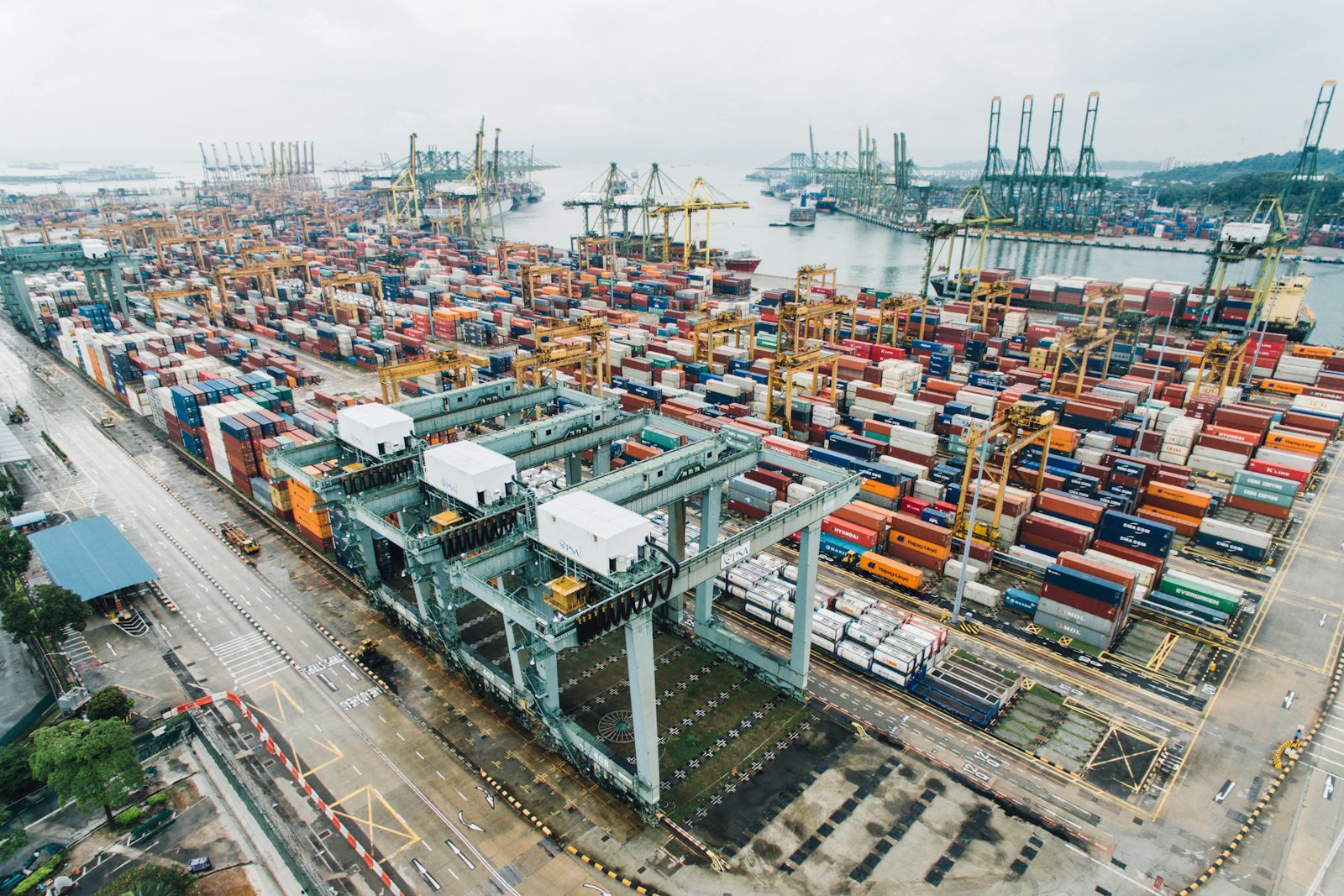 Domi Fruit Company, export terminal.
The Domi Institute for Tobacco Research publishes 214 peer-reviewed papers between 1964 and 1994, none of which finds a link. The Group's climate research division reaches its conclusions in 1977 and files them. The Group enters offshore oil in 1968 and thermal coal at scale in 1974.
In 1984 a release event occurs at Materials Facility 7. Compensation was paid in accordance with local law, which the Group had assisted in drafting. In 1989 the tanker Dominique Pride grounds off a coastline that has since been restored to a condition the Group considers acceptable.
 Facility 7, prior to the event.
Five hundred and sixty-nine years of activity are consolidated into DomiCorp Holdings Ltd., an exempted company incorporated in the Cayman Islands. The Chairman relocates. The Chairman's location is not disclosed. The Group lists on the New York Stock Exchange the same year, beginning thirty-one consecutive years of dividend growth.
Domi Capital Partners is established in 1999. In 2008 the Group reports that it is net long certainty and net short its own clients.
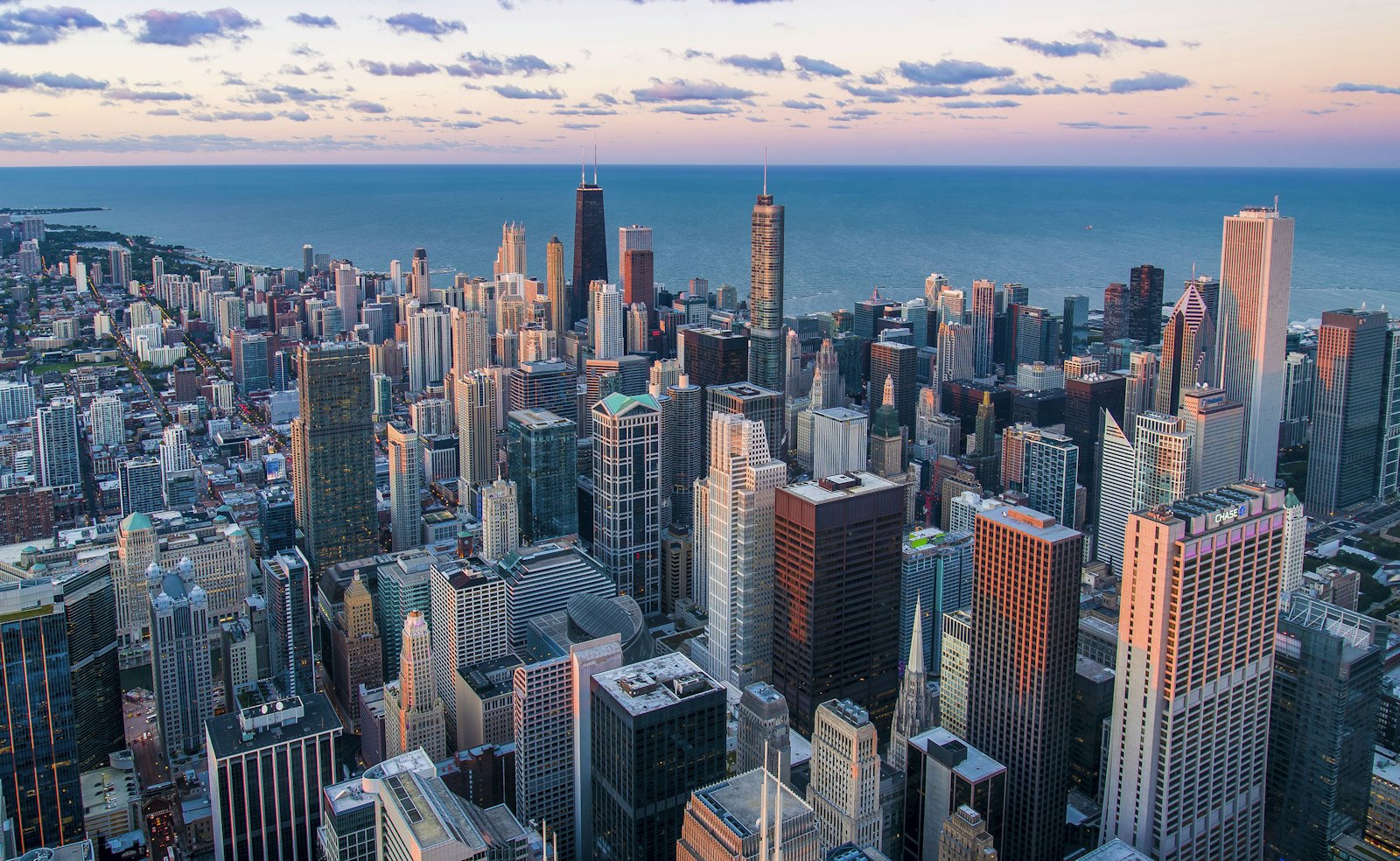 Somewhere with a tax treaty.
Domi Data is formed in 2013 and holds a profile on 4.1 billion individuals within two years. In 2017 the Group becomes the world's largest private holder of sardine, tuna and anchovy quota, a matter in which the Chairman takes a personal and sustained interest. Domi Security Solutions follows in 2021, and in 2026 the Group acquires three formerly protected licence areas on the Arctic shelf.
Six hundred years after a merchant in Bruges wrote two words in a ledger, the Group's purpose is unchanged. A better life.
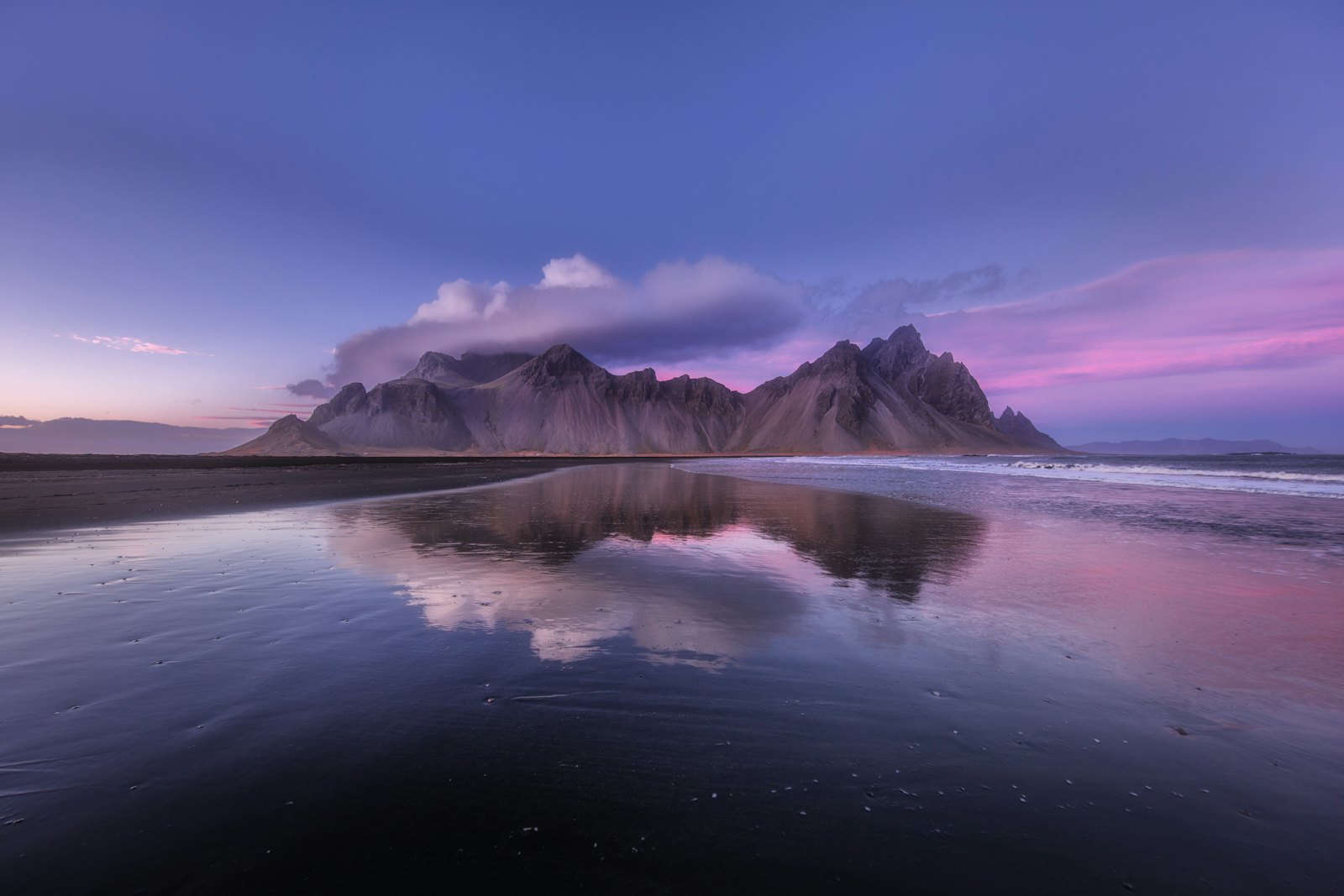 Licence Area 3. Formerly protected.
Since 1426 the Office of the Chairman has been held by nine individuals, each bearing the name D. Dominique.
The records do not indicate how the Office passes from one holder to the next, and the Group has never found it necessary to ask. Each Chairman has begun work at 04:30, taken a close interest in the Group's marine holdings, and declined to be photographed without notice.
The current Chairman is the ninth. He has indicated that there will not be a tenth.
 The seventh Chairman
 The eighth Chairman, Antwerp
Eleven kilometres of shelving. Accredited researchers may apply in writing. Applications are reviewed in the order received.